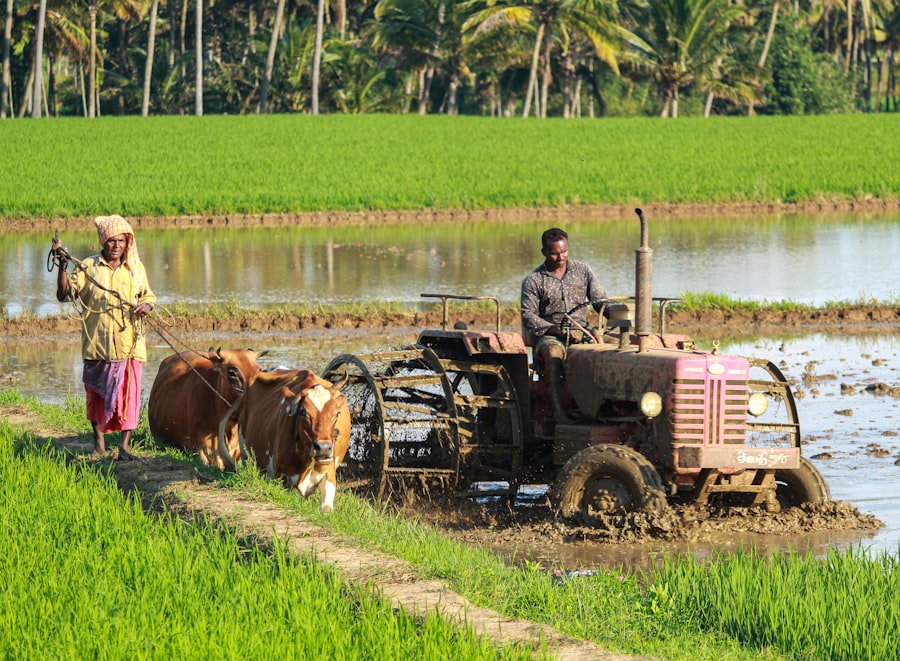
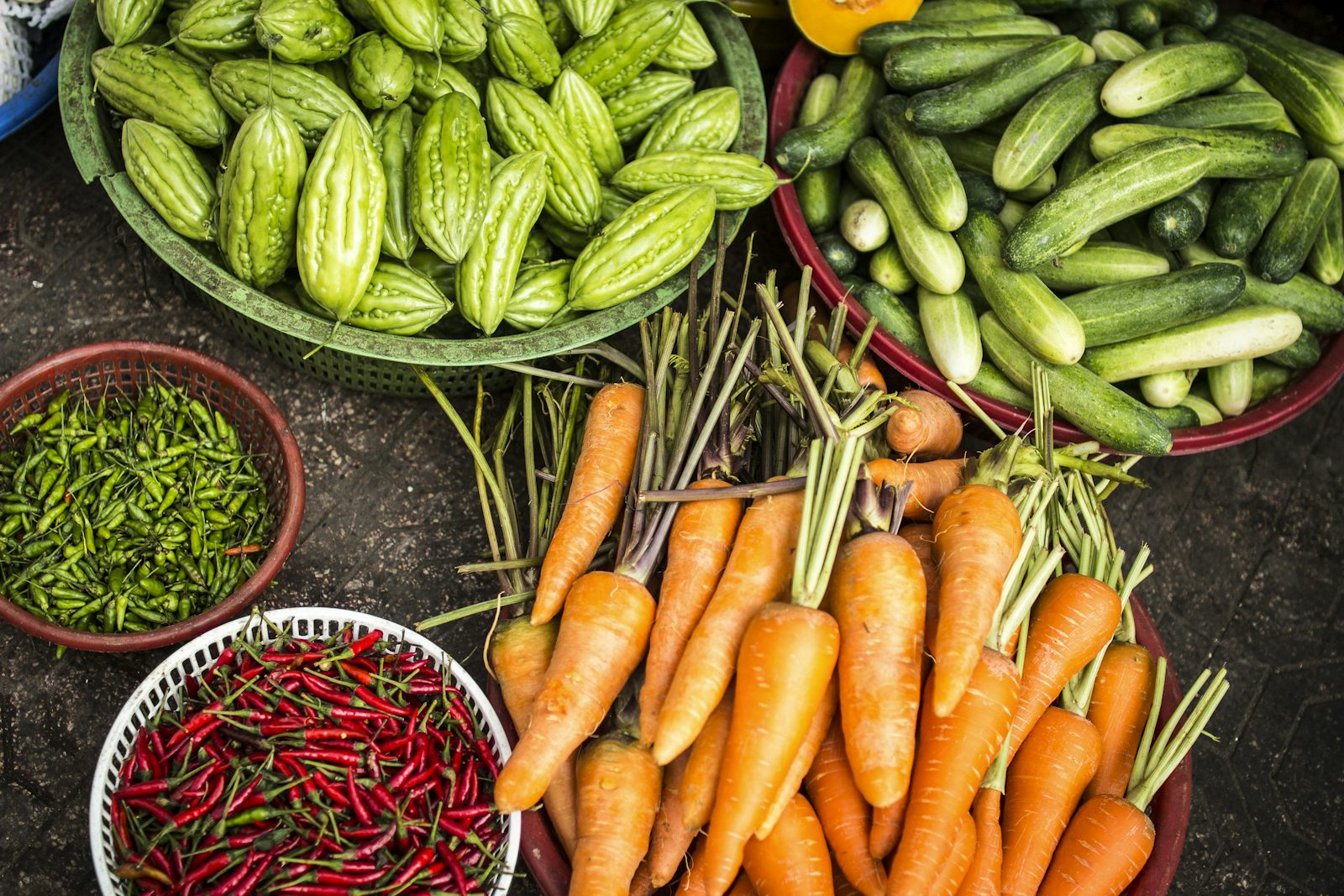
Lush green farmland at golden hour

1526 – 2026

500 Years
Rooted

Still Here. Still Growing. Still Building.

For five centuries, Black people have helped shape the land, food systems, and agricultural traditions of what became the United States. This is a story of knowledge carried across oceans, communities built against impossible odds, and a legacy that continues to grow today. The food is the biggest traveler — it carries memory farther than a border ever could.

The First Chapter

What if the story began
nearly a century earlier?

Most Americans are taught that Black history
in America begins in 1619.

It doesn't.

1526

Before Jamestown.

Before Plymouth.

Before there was a United States…

there was San Miguel de Gualdape.
The colony failed.

The people did not.

1526

The Colony Failed.
The People Did Not.

In 1526, Spain dispatched an expedition to establish San Miguel de Gualdape — a permanent settlement somewhere along the southeastern Atlantic coast of what would become the United States. Enslaved Africans were brought with the expedition, forced to help build the colony.

The colony quickly collapsed. Disease swept through the settlement. Food ran out. Conflict broke out among colonizers. Poor planning made survival impossible. Within months, the Spanish prepared to abandon the site entirely.

But something remarkable happened. Historical accounts indicate that some of the enslaved Africans refused to return with the Spanish. Instead, they seized their freedom and joined nearby Indigenous communities.

They are believed to represent the earliest documented Africans to gain their freedom in what became the continental United States.

Southeastern Atlantic coastal marshlands

The southeastern Atlantic coast — the region where historians believe San Miguel de Gualdape was established in 1526.

93 Years Before Jamestown

1619 is taught as the beginning. But 1526 came first — and the Africans who claimed their freedom that year were the first to do so in this land.

Historical note: Historians continue to debate the colony's exact location. Leading theories place San Miguel de Gualdape near present-day Georgia or South Carolina. The precise site remains unconfirmed.

What Was Carried

Knowledge Crossed
the Ocean

Africans did not arrive without knowledge. They came with centuries of sophisticated agricultural expertise that European colonizers depended on, extracted, and rarely credited.

🌾

Rice Cultivation

West African wet-rice farming techniques transformed the Carolina and Georgia lowcountry economy.

🌿

Seed Saving

Generations of knowledge encoded in seeds — carried across the ocean and preserved across centuries.

🔵

Indigo

African expertise in indigo cultivation and processing drove one of the most valuable colonial cash crops.

🌱

Medicinal Plants

Sophisticated knowledge of plants for healing, preserved and practiced across communities.

🌲

Forestry

Complex relationships with forest ecosystems — timber, medicine, food, and shelter.

💧

Water Management

Tidal irrigation systems built with African engineering knowledge — still visible in the South today.

🐄

Livestock

Cattle herding, animal husbandry, and veterinary knowledge brought from the African continent.

🫙

Food Preservation

Fermentation, drying, smoking — techniques that shaped Southern foodways still recognized today.

⚙️

Agricultural Engineering

Structural knowledge applied to farms, canals, irrigation ditches, and tidal controls.

🏡

Land Stewardship

Multigenerational relationships with land — not exploitation, but cultivation and care.

These were not incidental contributions.
They were sophisticated, multigenerational systems of knowledge —
carried across an ocean.

Recipes, seeds, and preservation methods moved with the people — memory carried in what they grew and cooked.

"They planted more than crops."

"They planted knowledge."

Their Knowledge Remained

Their Knowledge Remained.

African agricultural knowledge did not disappear into the violence of slavery. It transformed the South. Rice cultivation methods from West Africa drove entire colonial economies. Indigo processing. Water management. Seed saving. These systems were taken — and yet they persisted, held in the hands and memories of the people who built them.

And nowhere did that knowledge survive more completely than in the communities that chose to preserve it.

Rice fields in the American South

Rice cultivation — a cornerstone of the Carolina lowcountry — was driven by African agricultural knowledge.

Living Legacy

The Gullah Geechee Legacy

Along the coasts of Georgia and South Carolina — on islands like Sapelo Island — the Gullah Geechee people preserved something extraordinary: a living continuity of West African language, farming knowledge, foodways, spiritual traditions, and community structure.

Geographic isolation became a form of protection. African traditions survived not as museum artifacts — but as living practices, in the food people grew, the words they spoke, and the land they tended.

The Gullah Geechee story is not nostalgia.
It is proof that some things cannot be taken.

Sea Island coastal landscape
LanguageFarming TraditionsFoodwaysCommunity KnowledgeSpiritual PracticeCoastal Stewardship

"They planted resilience."

"They planted community."

Their Descendants Remained

Their Descendants
Remained.

The history of Black agriculture in America is not only a story of what was taken. It is a story of what was built — over and over again, against extraordinary odds.

After 1865

Emancipation & Land Building

Formerly enslaved people immediately began building — farms, cooperatives, schools, and institutions at historic scale. At peak, Black farmers owned nearly 19 million acres across the South.

Late 1800s

Institutions Take Root

Historically Black land-grant colleges, agricultural schools, and extension networks spread scientific farming knowledge across the South. Communities educated themselves — and built economies.

Early 1900s

Cooperatives & Mutual Aid

Faced with credit systems designed to exclude them, Black farmers formed mutual aid networks, credit unions, and agricultural cooperatives. They built economic infrastructure from the ground up.

1900s–1960s

Land Loss & USDA Discrimination

Decades of predatory lending, discriminatory federal programs, and legal barriers stripped Black families of millions of acres. By 1997, USDA's own settlements acknowledged systemic discrimination. The land shrunk. The spirit did not.

1960s

Civil Rights & Food Sovereignty

From Freedom Farm Cooperative to rural land trusts, the civil rights movement recognized that food, land, and liberation were inseparable. Agricultural organizing became political organizing.

Always

Community Resilience

Through every era of loss and adversity, Black agricultural communities rebuilt — sharing seeds, sharing land, sharing knowledge. The roots held because the community held.

The Work Continues

The Legacy Lives Today.

A new generation is carrying five centuries of knowledge forward — farming, growing, researching, educating, preserving seeds, building businesses, and feeding communities.

🌱Farmers
🌾Growers
🫙Seed Keepers
🐝Beekeepers
🌲Foresters
🌸Florists
🔬Researchers
🌿Nursery Owners
📚Agricultural Educators
🏭Agribusinesses
🍽️Food Entrepreneurs
🤝Organizations
🌻Cooperatives
Modern farmer tending a vegetable garden

Contemporary Black growers are part of a five-century agricultural lineage.

Hands holding seeds

Seed saving — one of the oldest agricultural practices — continues in Black farming communities today.

Find Them Today

The directory is a living part
of this 500-year story.

Every listing is a continuation. Every discovery is a connection. Browse today's Black farmers, producers, and organizations.

Browse the Directory

Our Purpose

Why The Black
Agrarian Exists

Visibility creates opportunity. Five centuries of Black agricultural knowledge, labor, and innovation shaped this land — and that history deserves to be seen, celebrated, and continued.

The Black Agrarian exists to make today's Black agricultural community easier to discover, support, and celebrate — while preserving the five-hundred-year story behind it.

The directory is not simply a list.
It is part of a five-hundred-year story
that is still being written.

🔍

Making Black agricultural producers easier to find

🌉

Connecting growers with buyers, partners, and resources

📖

Preserving 500 years of history and knowledge

🌱

Supporting the next generation of Black agrarians

✨

Celebrating a legacy that never disappeared

500 Years of History

The Timeline

Select a milestone to explore.

Historical images and information on this page are presented for educational purposes. If you have a concern about a photo, credit, or right,

"We are still here."

1526 — 2026 — and forward

The Next 500 Years
Begin With Us.

Five hundred years ago, they planted more than crops.

They planted knowledge.

They planted community.

They planted resilience.

They planted hope.

Today we inherit that legacy.

Tomorrow we expand it.

Whether you are a farmer, rancher, beekeeper, nursery owner, florist, educator, researcher, seed keeper, organization, or someone who simply believes this history deserves to be remembered…

There is a place for you here.

Want to stay connected? Join the newsletter ↓